Best Sunscreen in Kenya for Oily, Dry and Sensitive Skin
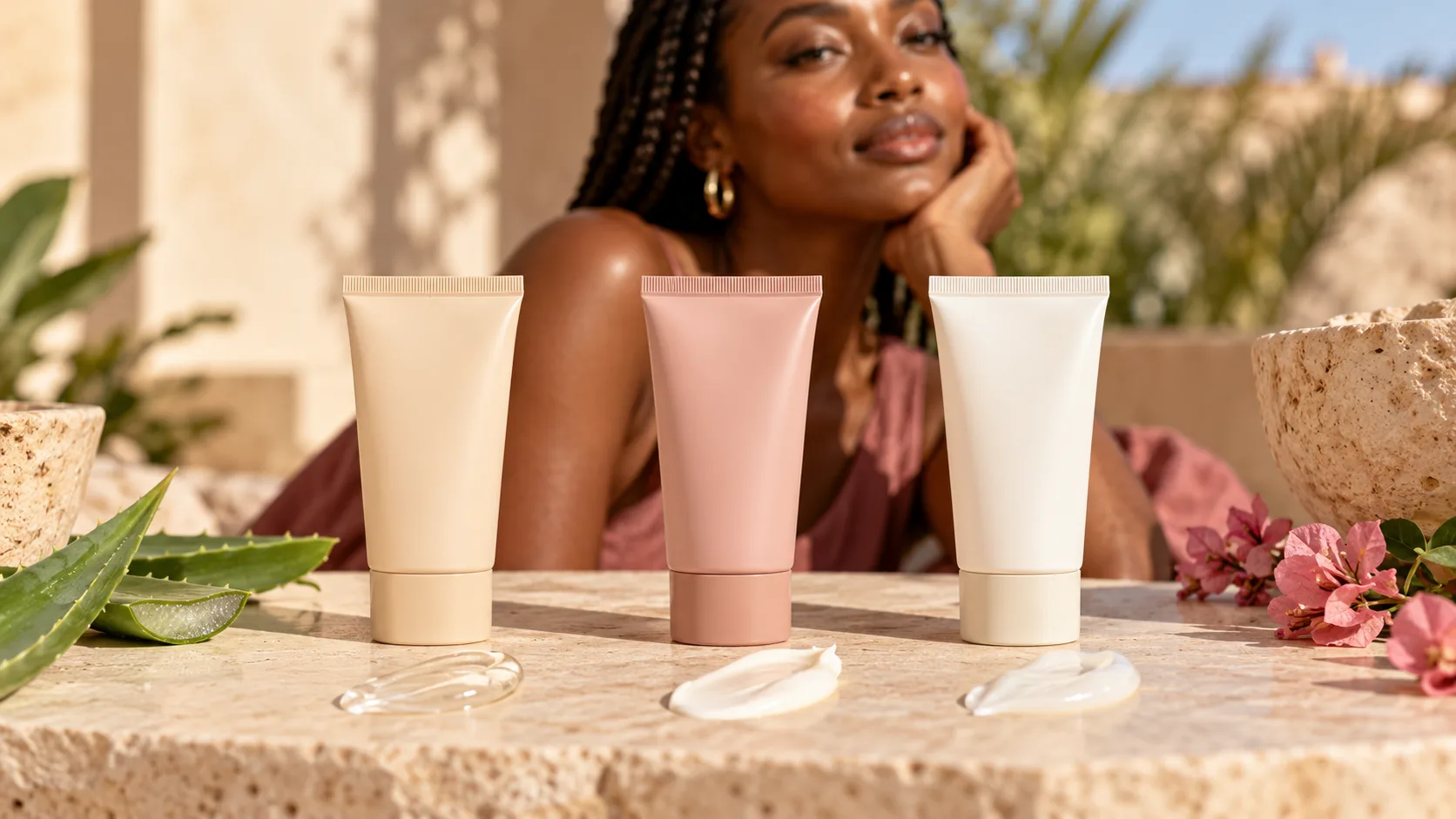
Finding the best sunscreen in Kenya is personal: oily, dry and sensitive skin can all need reliable UV protection, but the most comfortable texture may differ. This guide helps you compare sunscreen by finish, ingredients and daily habits. It also names the SPF 50 product currently listed by ShopWithRahma, while making clear where individual skin tolerance varies.
How to choose best sunscreen in Kenya
Oily skin often prefers a light fluid or gel, but “oil-free” does not guarantee that a sunscreen will feel comfortable for everyone. Try a small amount first, give it time to set, and consider whether it pills with your moisturiser. Matte finish is a cosmetic preference; it does not replace broad-spectrum protection.
A practical shortlist
Dry skin may prefer a creamier texture layered over moisturiser. Sensitive skin can benefit from a short ingredient list and fragrance-free products, though “mineral” is not a guarantee against irritation. If a sunscreen stings, causes a rash or worsens an existing skin condition, stop use and ask a clinician for guidance.
Current catalogue picks and price context
The AAD recommends broad-spectrum, SPF 30+ and water-resistant sunscreen. In the current store catalogue, Beauty of Joseon Relief Sun SPF50+ PA++++ is listed at KES 2,300. Its online listing does not make a skin-type diagnosis; compare the ingredients and texture to your needs, and patch test if your skin reacts easily. Store tags show “trending” and “best-seller,” which refer only to catalogue merchandising.
How to build a comfortable routine
Choose based on your routine. If you wear makeup, test sunscreen underneath your primer and foundation and allow the layers to settle. If you spend time outdoors, consider a water-resistant product and plan to reapply as the label directs. If a tinted sunscreen interests you, match the shade to your face and neck in daylight before relying on it as an even complexion product.
Reviews, safety and realistic expectations
Sunscreen can help reduce sunburn and cumulative UV exposure, but no sunscreen blocks every ray. Combine it with shade, a hat and protective clothing where practical. Darker skin tones still need sun protection. For visible dark marks, ask a dermatologist whether tinted iron-oxide sunscreen is appropriate, because visible light may also contribute to pigmentation in some people.
Where this product guide can help
Compare cost per application, pack size, expiration information and the seller’s returns or authenticity policy. Do not buy based only on a review saying “no white cast”; that result depends on shade, amount, blending and lighting. If buying online, use clear product photographs and confirm that the listing shows the full name, SPF and package size.
Explore current skincare picks
Explore current products from our catalogue.


Shopping online with confidence
Create a small comparison note with product name, size, price, format, ingredients, directions, seller and date checked. Compare like with like: a cream is not a serum, a gift set is not one bottle, and a wash-off product is not a leave-on treatment. Store prices in this article are dated snapshots from 25 October 2026, not permanent price promises. Promotions, import costs and stock can change. Recheck the live page before checkout. ShopWithRahma product links point to active catalogue records checked for this draft batch. A “trending” or “best-seller” label means the store currently uses that catalogue tag; it is not a verified national ranking, clinical endorsement or independent review score. Product mentions are editorial links, not individual-use testimonials. Check the product page for current KES price, size, stock, ingredients and delivery terms before ordering.
Make the routine easy to keep
Keep a routine simple enough to follow in your real climate and schedule. Introduce one new product at a time, follow package directions and give your skin or hair time to respond. Use sunscreen as appropriate for daytime exposure. For makeup and fragrance, test shades and scents when possible. If irritation or an unexpected reaction appears, stop the new product and seek professional advice when symptoms persist.
Helpful sources
For clinical basics, read the AAD sunscreen selection guide and safe sun guidance. These are general recommendations and do not replace care from a dermatologist for eczema, rosacea or a sunscreen allergy.
Explore related products
View current listing · Shop the related category
Frequently asked questions
How often should I use a new product?
Follow the package directions and introduce one new formula at a time. Start cautiously if it contains an active ingredient. Stop if you develop persistent irritation and ask a clinician when symptoms are severe or do not settle.
Are the prices guaranteed?
No. Prices and stock are a dated catalogue snapshot checked 25 October 2026. Confirm the live product page at the time of purchase for the current price, pack size and availability.
Are the products in this article independently tested?
This article does not claim independent laboratory testing or clinical endorsement. Product descriptions and store tags should be checked against the current listing and manufacturer packaging.
Can I use several active ingredients together?
Combining actives can increase irritation. Add products gradually, follow labels and consult a dermatologist or pharmacist if you have a condition, use prescription treatment, or are unsure about compatibility.
A final checklist for choosing well
For this topic, keep the comparison tied to what the product actually is. Read the front label and the ingredient list, check the instructions, and note whether the formula is intended for face, body, hair or lips. The same ingredient name can appear in products with very different formats. A careful comparison records the product size and the exact claim instead of relying on a short social post.